


GEOFORMA PROJECT
GEOTECHNICS
Geotechnics in the field of civil engineering ensures that geotechnical investigations and design address the key aspects of soil for the foundation of construction projects. Our long-standing experience in geotechnical investigation provides our clients with precise technical recommendations for further project design.
In today’s construction industry, various structures are being built, both above and below ground, involving extensive earthworks. This introduces new challenges in the field of civil engineering, especially regarding the construction and proposal of adequate solutions, while adhering to all technical standards and considering geological impacts and environmental protection. Addressing geological impacts on the investigative site is impossible without a detailed understanding and examination of the geological conditions of the terrain where structures are built or demanding excavations are performed.
GEOTECHNICAL SOIL INVESTIGATIONS
Geotechnical soil investigations and design form the foundation of every successful construction project. These processes are not merely technical aspects; they are fundamental for the safety, sustainability, and longevity of construction structures. Without thorough geotechnical investigation and careful design, the risk of unforeseen problems during and after construction significantly increases, potentially resulting in enormous financial losses and endangering human lives.
Our company prides itself on years of experience in the field of geotechnical investigation, enabling us to provide our clients with precise and reliable technical recommendations for the further design process. This experience is the result of numerous projects carried out over the years, where we have encountered a wide range of challenges and terrain conditions. Each project is unique, requiring tailored investigation methods and individual approaches for each situation.
GEOTECHNICAL REPORT AND THE PURPOSE IN EXAMINING GEOLOGICAL CONDITIONS
Geotechnical investigation bring new problems and challenges in the field of construction. One of the key challenges is the need to adhere to all technical standards and regulations while simultaneously considering geological impacts and preserving the natural environment. The geological conditions of the terrain where structures are built or earthworks are carried out can significantly impact the stability and safety of the structure. For example, soils with high clay content may be prone to sliding, while sandy soils may require special stabilization techniques.
Addressing the problems of geological impacts on the investigative site is impossible without a detailed understanding of those conditions. This involves thorough geotechnical investigative work, including exploratory drilling, soil sampling, laboratory analyses, and geophysical measurements. Through these processes, engineers can obtain valuable information about soil characteristics, the presence of groundwater, and potential risks such as landslides or seismic activity. A key step in this process is the geotechnical report. The geotechnical report contains an analysis of the collected data and technical recommendations that will be used in further design. Based on these recommendations, engineers can make informed decisions about the types of foundations on which the structure will be based, the necessary soil stabilization measures, and other critical aspects of design.
GEOLOGICAL RESEARCH AND ITS APPLICATION
In modern construction, the application of advanced technologies plays an increasingly significant role. The use of software tools for simulation and modeling allows engineers to predict soil behavior under various conditions and loads. These tools can significantly improve the accuracy of design and reduce the risk of errors.
Besides the technical aspects, it is crucial to consider the ecological aspects of geotechnical investigation and design. Every construction project has a potential impact on the environment, whether through changes in land use, disturbances to natural watercourses, or vegetation. Therefore, it is necessary to integrate the principles of sustainable development into all stages of the project, from planning to implementation.
Geological research plays a key role in the field of sustainable energy sources, especially in the implementation of green energy such as wind farms and solar panels. Geotechnical investigative work in this area can contribute to defining:
- Site Selection: Geological research helps in finding locations suitable for wind farms and solar panels. The terrain needs to be stable to withstand the weight of wind turbines, and wind and solar radiation analysis is also important. Geological engineers can assist in identifying underground resources such as water and minerals that could negatively impact green energy projects.
- Foundation: Geotechnical/Geomechanical reports are part of geological research and are necessary for designing safe and economical foundations for wind turbines and solar panels. Soil analysis provides engineers with information on soil bearing capacity and potential risks of landslides or earthquakes.
- Materials: Geological research can help locate local borrow sites for materials needed for the construction of wind turbines and solar panels, reducing transportation costs and industrial works required for the project.
- Environmental Protection: Geological research can help identify and mitigate potential problems such as lowering groundwater levels or soil contamination during the construction and maintenance of green infrastructure.
Geomechanical investigations represent complex and multidisciplinary processes that are crucial for the success of any construction project. Without adequate research and careful planning, the risk of unforeseen problems significantly increases, which can have serious consequences. Our company, with its long-standing experience and commitment to quality, is ready to provide the necessary support and expertise in all stages of your project. We believe that only through detailed and professional research can safe, sustainable, and successful construction projects be achieved.
It is always important to emphasize that every step in the process, from initial investigation to final construction, must be carried out with maximum care and professional knowledge. Only in this way can we ensure that construction projects are not only functional and aesthetically appealing but also safe and long-lasting, respecting all relevant technical norms and ecological standards.
So far in the Geoforma Project:
 247
247
Jobs
75
Satisfied clients
30
Km of roads
10
Remediation and reinforcement
Geoforma Projekt
For you:
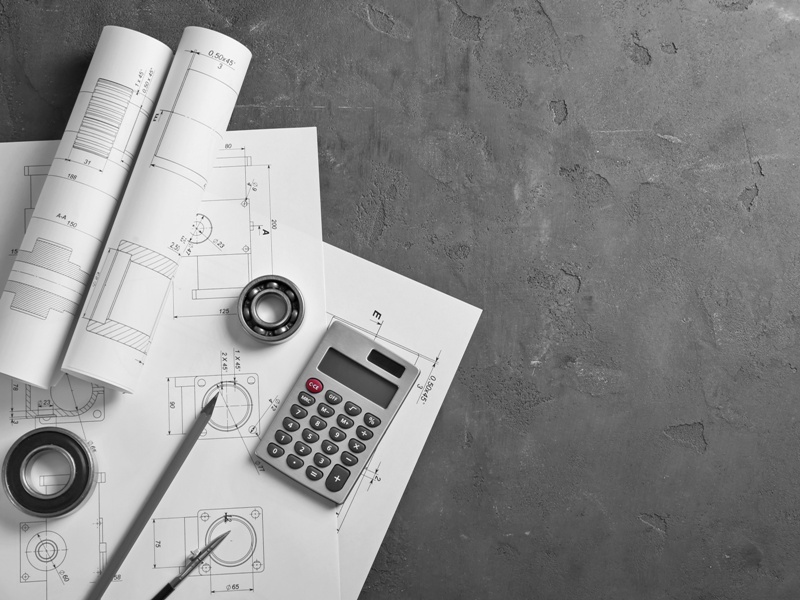
Geotechnical design
A licensed team providing services for the preparation of geotechnical reports in compliance with current technical standards...
Read more
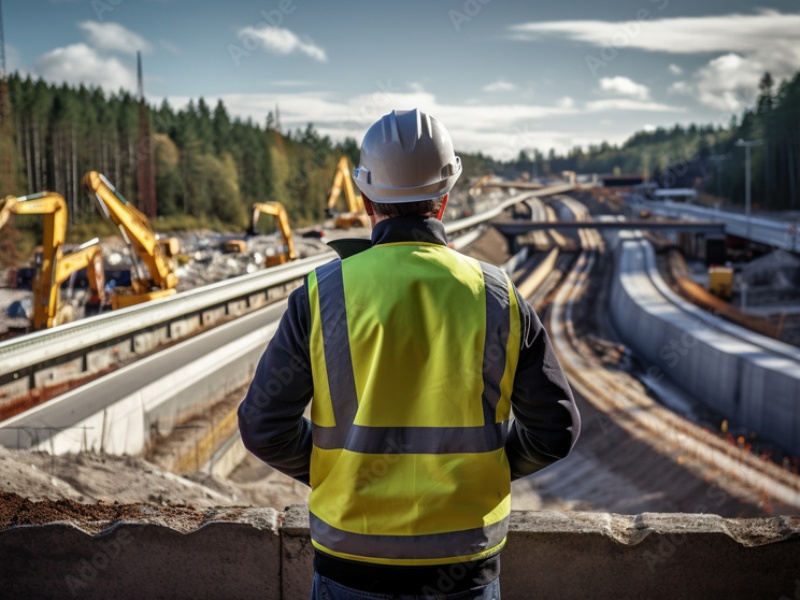
Geotechnical supervision
The task of professional supervision during the execution of geological works involves continuous monitoring and evaluation of the application...
Read more
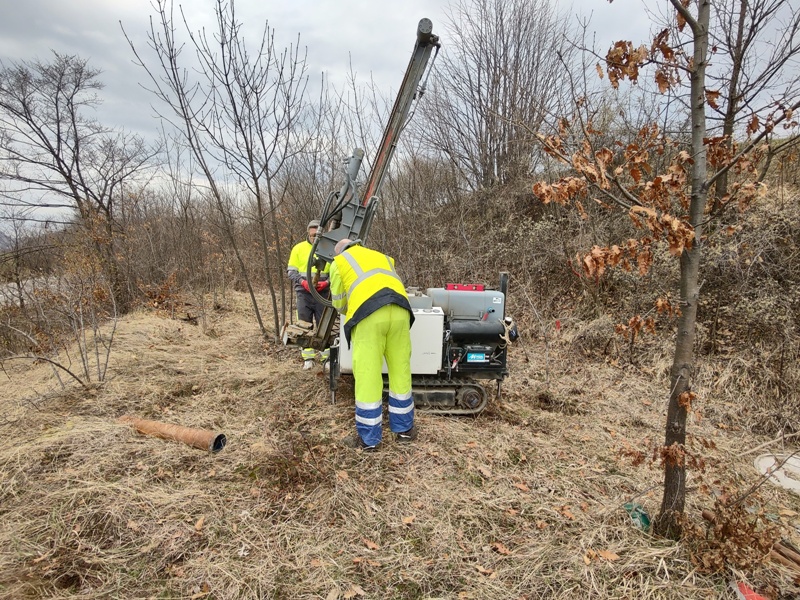
Geotechnical field tests
Mechanical exploratory drilling with soil and rock sampling for the needs of geotechnical research...
Read more
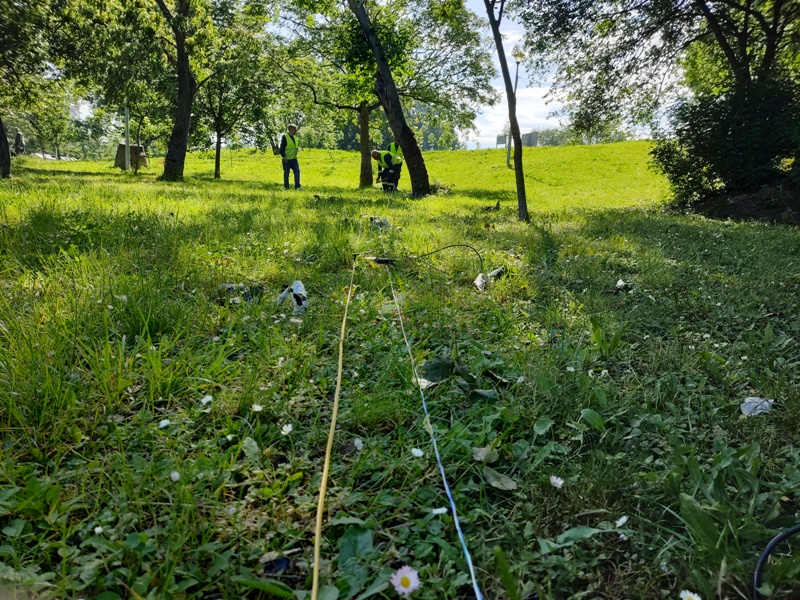
Geophysics
Engineering geophysics involves studying the uppermost parts of the Earth's crust in relation...
Read more